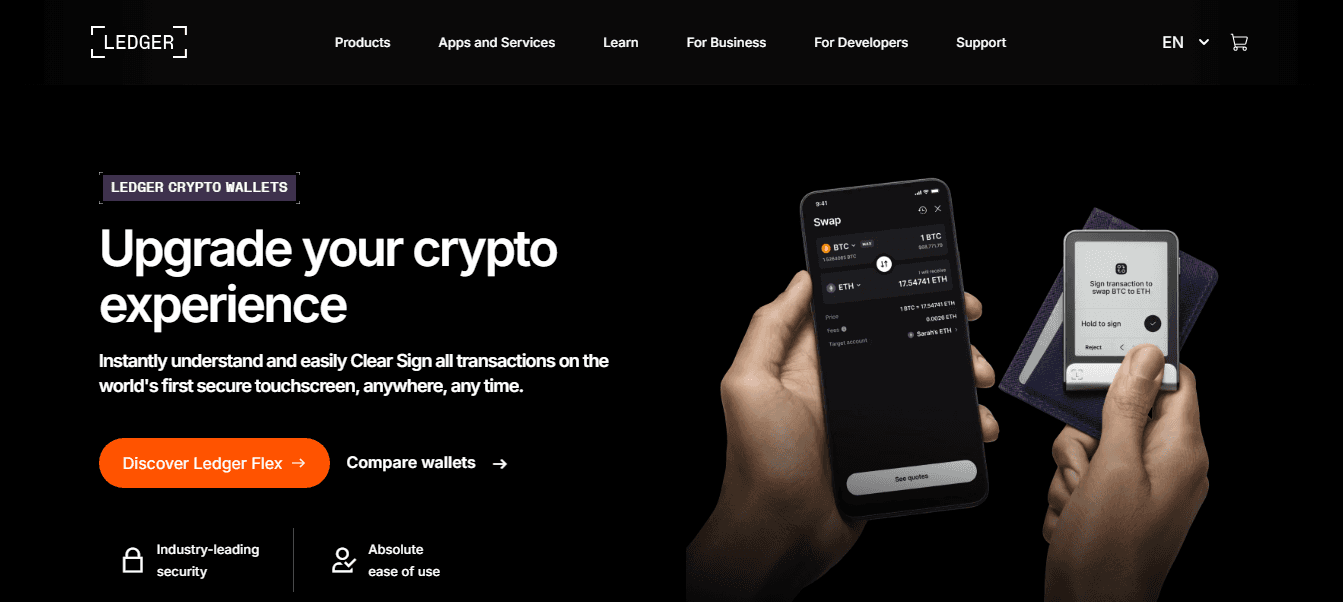
Ledger Live Login: Securely Access Your Cryptocurrency
As cryptocurrency continues to grow, managing digital assets safely is crucial. Ledger Live is the official application designed to work with Ledger hardware wallets, giving users a secure interface to monitor balances, manage accounts, and perform transactions. Understanding how the Ledger Live login works is key to keeping crypto funds safe and maintaining full control.
What Makes Ledger Live Login Unique
Unlike traditional online wallets that rely on usernames and passwords, Ledger Live login is tied directly to the physical Ledger device. Access is granted through device authentication and user verification, not through cloud-based credentials. This approach ensures that private keys never leave the hardware wallet, making it nearly impossible for hackers to steal funds remotely.
Connecting Your Ledger Device
To start the Ledger Live login process, users must connect their Ledger hardware wallet to a computer or mobile device. A USB cable or supported wireless connection is required. Once connected, the device prompts users to enter their PIN code directly on the Ledger device—not on the computer.
This design protects against keyloggers and malware that may compromise login credentials on the host device.
The Role of the PIN Code
The PIN code is the first line of defense for Ledger Live login. Without entering the correct PIN on the device, access to accounts is blocked. Multiple incorrect attempts trigger increasing delays, making brute-force attacks ineffective. Selecting a strong, unique PIN is essential to secure your crypto assets.
Optional Ledger Live Password
In addition to device authentication, Ledger Live allows setting an optional application password. This password protects portfolio visibility and transaction history on the software interface. While it does not replace the hardware wallet’s PIN, it adds an extra security layer, particularly on shared or public computers.
Accessing Accounts and Balances
After successful authentication, Ledger Live displays all supported accounts and balances. Users can add or remove accounts, view transaction histories, and manage multiple cryptocurrencies. Because private keys remain on the Ledger device, Ledger Live functions only as a secure interface, never storing sensitive information on the computer.
Confirming Transactions Securely
Even after logging in, no transaction can occur without manual confirmation on the hardware wallet. When a user initiates a transfer, the transaction details appear on the Ledger device. The user must physically approve the transaction to complete it. This process ensures that malware or compromised software cannot move funds without explicit permission.
Common Ledger Live Login Issues
While Ledger Live is designed for secure and smooth access, users may encounter some login-related problems. Common issues include:
Device Not Recognized
Connection problems may occur due to cable issues, outdated drivers, or improper USB settings. Using the original cable and ensuring software is updated often resolves this problem.
Forgotten PIN
Entering the wrong PIN multiple times can temporarily lock or reset the device. Users must remember their PIN to maintain access.
Forgotten Application Password
If the Ledger Live app password is forgotten, the application can be reset without affecting the hardware wallet or the cryptocurrency stored on it.
Security Tips for Ledger Live Login
To ensure secure access to Ledger Live, users should follow these best practices:
Always verify transaction details on the hardware wallet
Keep Ledger Live and device firmware updated
Choose a strong PIN and optional application password
Avoid using public or shared computers
Never share recovery phrases or PIN codes
Proper security habits are just as important as the hardware itself.
Understanding the Recovery Phrase
Although it is not required for the Ledger Live login process, the recovery phrase is critical for wallet restoration. If the Ledger device is lost, damaged, or replaced, the recovery phrase allows users to regain access to their funds. It must always be stored offline in a secure location and never entered into the software or shared online.
Differences Between Ledger Live Login and Traditional Wallet Logins
Unlike web-based wallets, Ledger Live login does not rely on cloud authentication or server-stored credentials. Users retain full control of their assets, and login access is entirely hardware-dependent. This minimizes exposure to online attacks and reinforces the principle of self-custody in cryptocurrency.
Maintaining Long-Term Login Access
To ensure consistent access to Ledger Live, users should:
Regularly update both the application and hardware firmware
Keep their PIN and recovery phrase secure
Use strong passwords if opting for the application-level password
Monitor for updates regarding supported cryptocurrencies
Routine maintenance ensures that the login process remains smooth and secure.
Conclusion
Ledger Live login provides a highly secure way to access and manage cryptocurrency portfolios. By relying on device authentication rather than traditional passwords, it minimizes risks associated with online attacks. Understanding the login process, using strong PINs, and following best practices for security helps users maintain full control over their assets. When used correctly, Ledger Live offers a reliable, user-friendly, and secure platform for managing cryptocurrencies.